KEY TAKEAWAYS
- Most paint failures come from preparation, not the paint.
- Moisture behind the coating is the most common cause on the coast.
- A scope should name washing, caulking and priming, not just coats of paint.
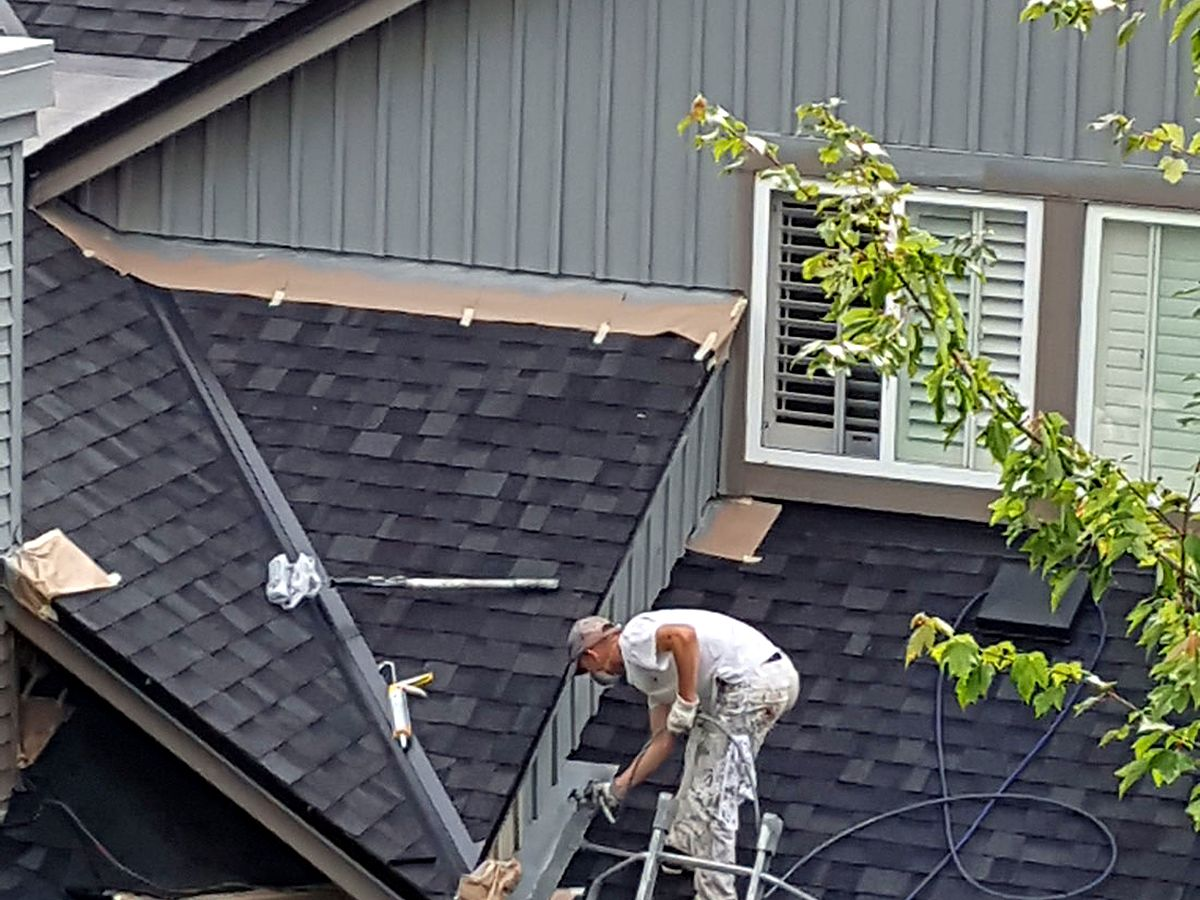
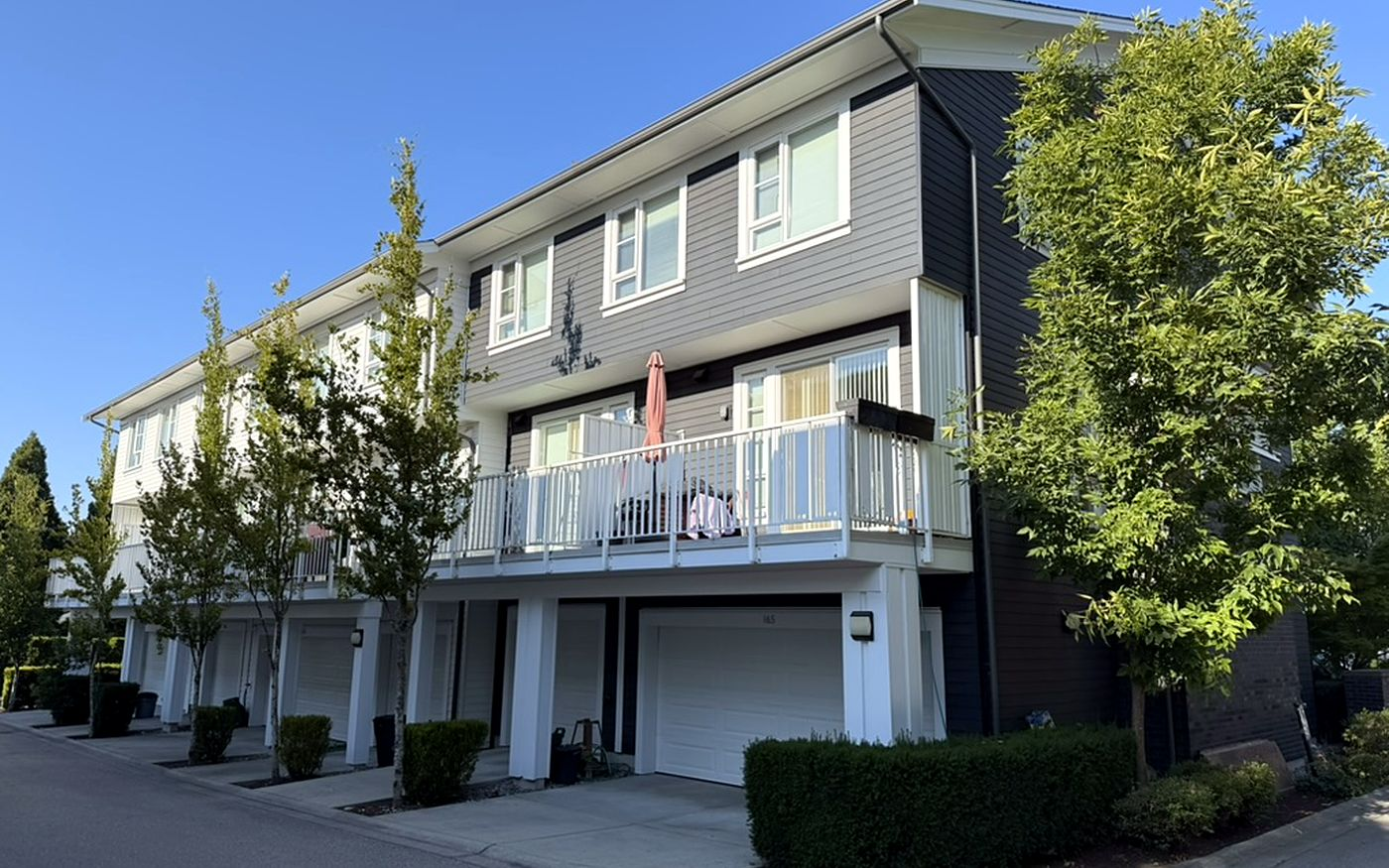
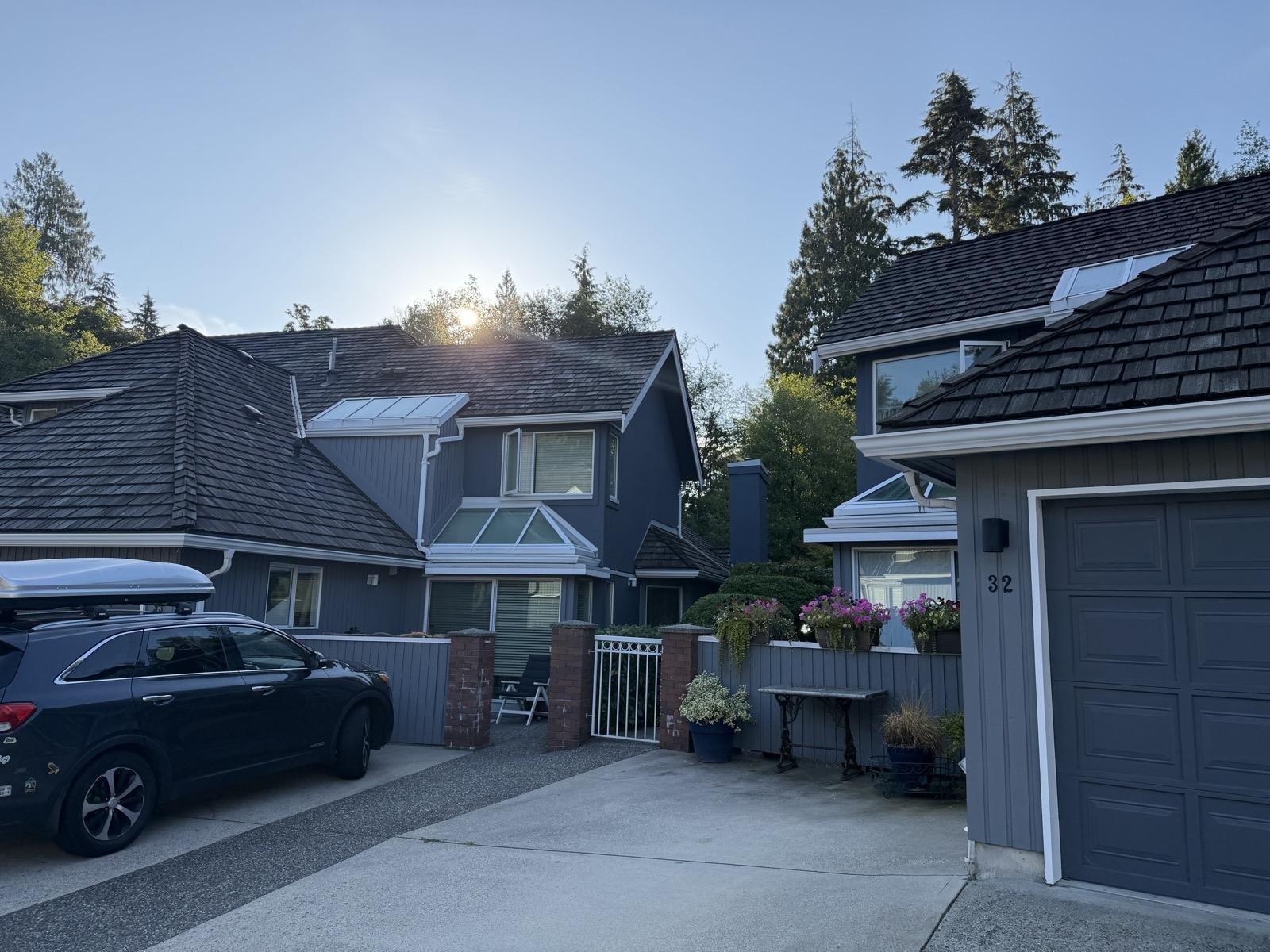
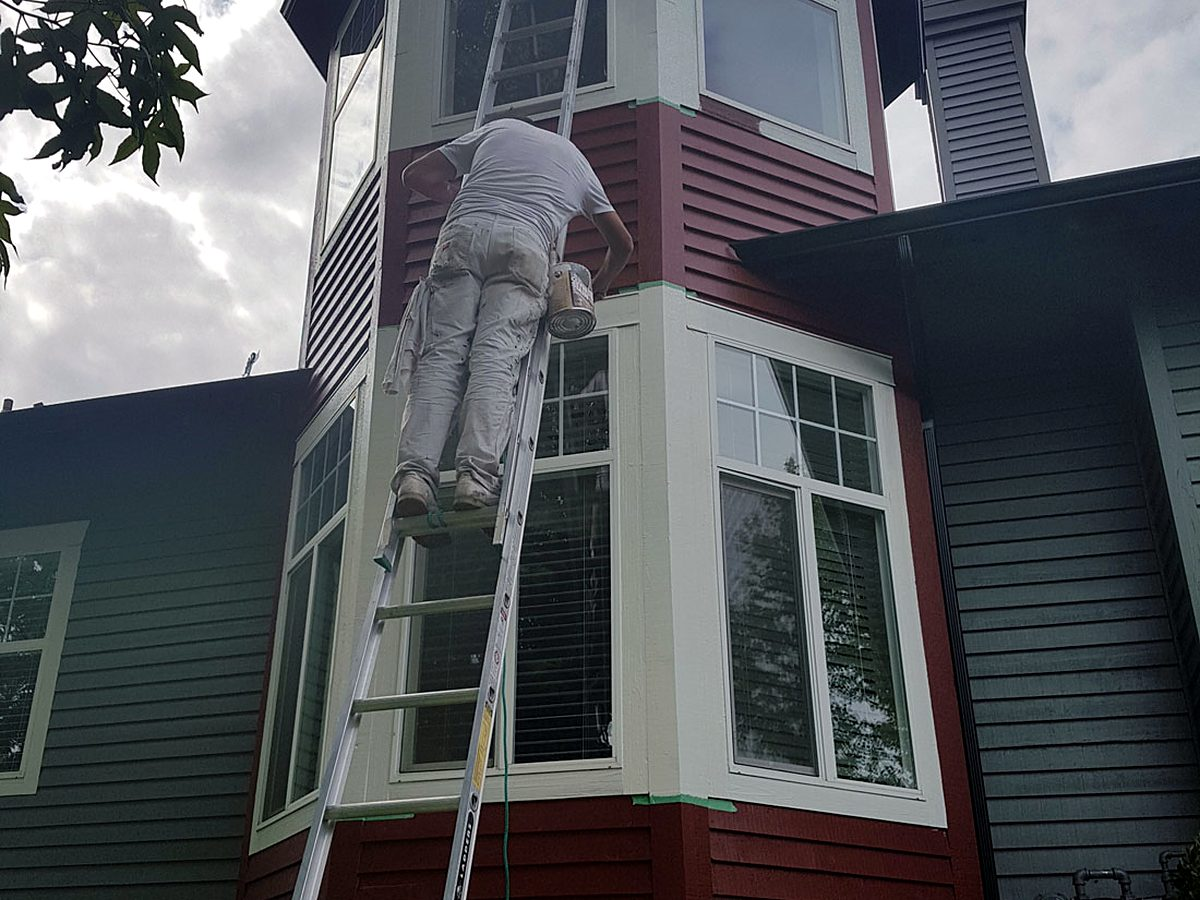
When paint peels after a few years, owners tend to blame the product. In our experience, the real cause usually sits underneath it. Paint needs a clean, dry, sound surface to hold on to, and most failures trace back to one of these.
The seven usual causes
- Dirt and mildew left on the surface. Paint sticks to the dirt, then lets go with it.
- Moisture behind the paint. Failed caulking, leaky flashings or wet wood push the coating off from behind.
- No primer on bare wood. Bare spots drink the finish and it fails first there.
- Paint that is too thin. Every product has a spread rate, and stretching it shortens its life.
- The wrong product for the surface. Metal, masonry and wood each need something different.
- Painting in the wrong conditions. Too cold or too damp, and the coating cannot cure.
- Low-quality paint. It costs little per can and a lot per year.
What to ask for in your scope
Compare quotes on preparation, not only on the number of coats. A good scope spells out:
- How every elevation will be washed, and with what.
- Which failing caulking gets cut out and redone.
- That bare wood gets primed before the finish.
- The products to be used, and how many coats go where.
- How rotten wood will be priced when it is found.
When paint is not the real problem
If the same spot keeps failing, stop repainting it. Water is usually getting in somewhere: a gutter, a flashing or a window. Find and fix that first, or ask an envelope consultant to look if the signs point deeper.
This guide is general information for strata councils and property managers in British Columbia, not legal advice. Check your registered bylaws and the current Strata Property Act, or ask your property manager or a lawyer, before relying on it for a decision.