KEY TAKEAWAYS
- Walk the property after the first heavy rain, when leaks and overflows are easy to see.
- Water at the roofline does the most damage, so start with gutters, downspouts and fascia ends.
- Small fixes can be done in dry spells. Larger work belongs in next year’s scope.
- Photos and a simple list now make the spring walk-through faster and the price more accurate.
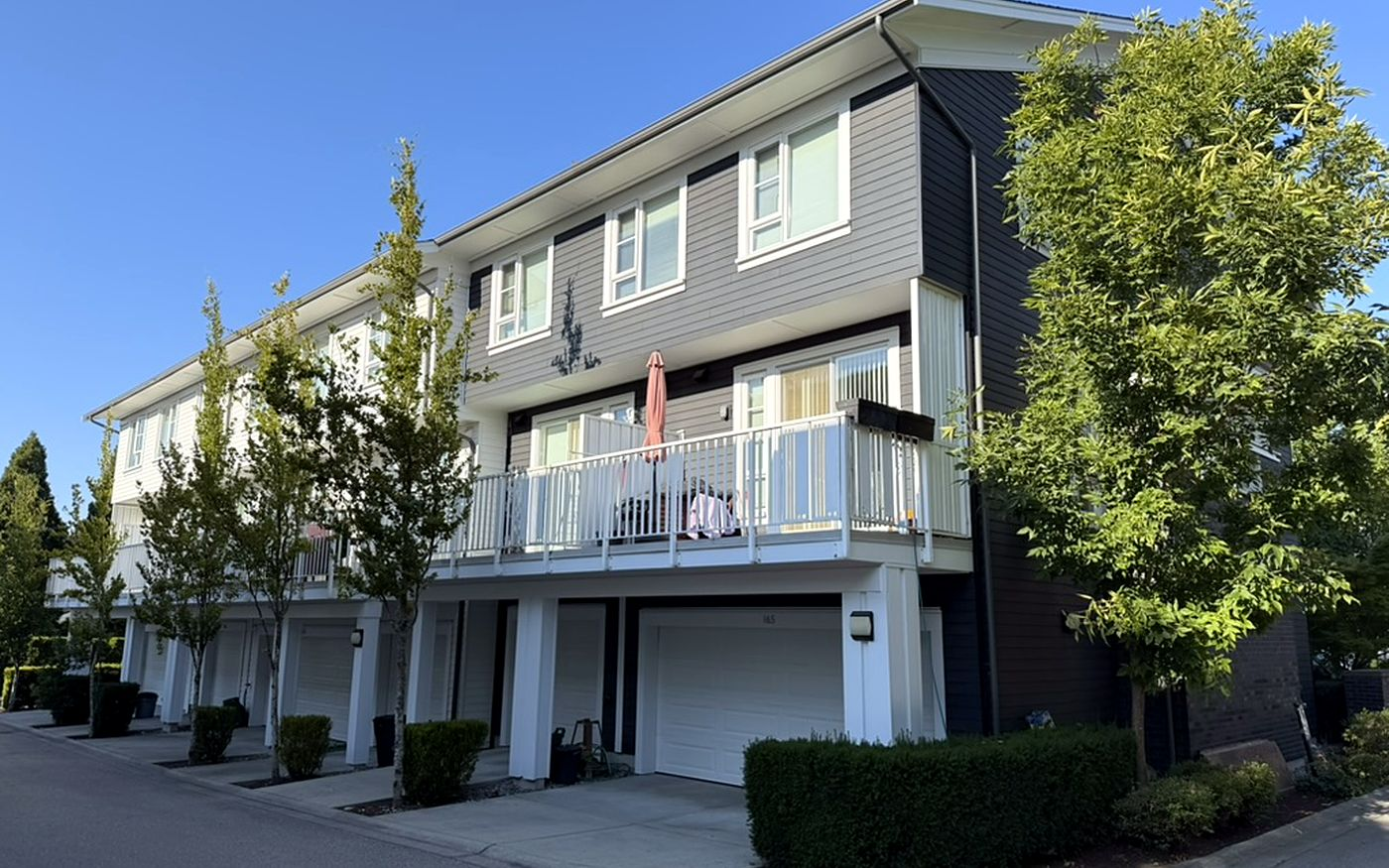
On the coast, the first long rains of the season show exactly where a building is weak. Overflowing gutters, wet patches under windows and paint lifting at the bottom of the trim are easiest to spot in November, while they are happening. A walk around the complex now, with a phone and a notepad, is one of the cheapest pieces of maintenance a council can do.
Start at the roofline
- Gutters and downspouts. Look for overflow during rain, sagging runs, and downspouts that empty against a wall or onto a walkway.
- Fascia ends and corners. This is where water sits longest. Dark staining, peeling or soft wood here usually means rot has started. See finding wood rot before the repaint.
- Roof edges and flashings. Note anything that looks lifted or loose and pass it to your roofing contractor. The paint below a leak will always fail first.
Then the walls and openings
- Caulking at windows, doors and trim joints that has cracked, shrunk or pulled away. See when a strata needs caulking and sealant renewal.
- Paint peeling or blistering in one spot, which often points to water getting in behind it.
- Moss and green growth on north walls, fences and stairs. See moss and mildew on strata buildings.
- Cracks in stucco wide enough to catch a fingernail.
Railings, stairs and decks
Winter is when slippery stairs and loose boards cause falls. Check exterior stairs, deck boards and walkways for soft or loose boards and slippery growth, and railings for wobble and rust at the posts. Rust caught early is a clean-up and a recoat. Left for a few winters, it becomes a repair. See rusty railings: repair, prime and recoat.
What to fix now, and what can wait
Some things should not wait for spring: a gutter that overflows onto a door, a soft stair tread, or a gap that lets water into a wall. These can usually be handled as small repairs or, after storm damage, as urgent repairs.
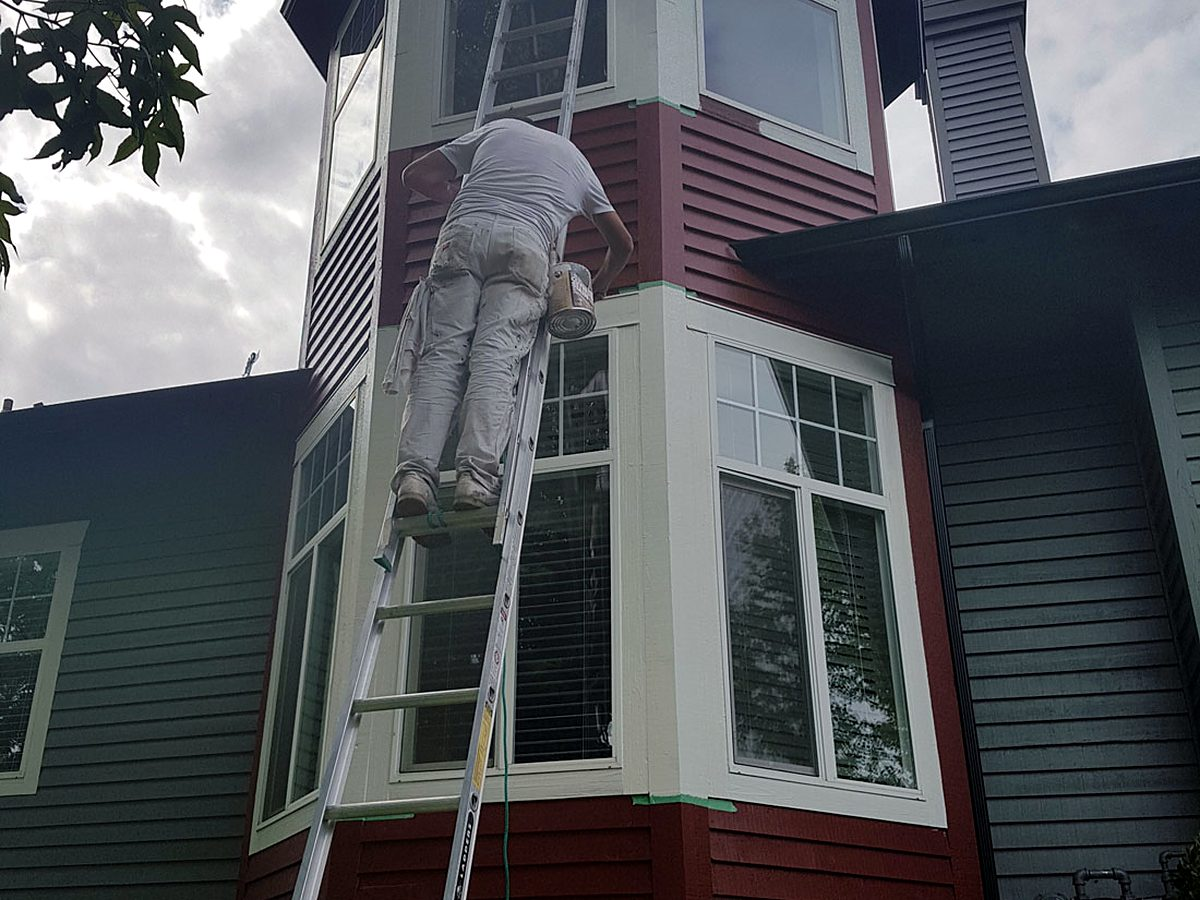
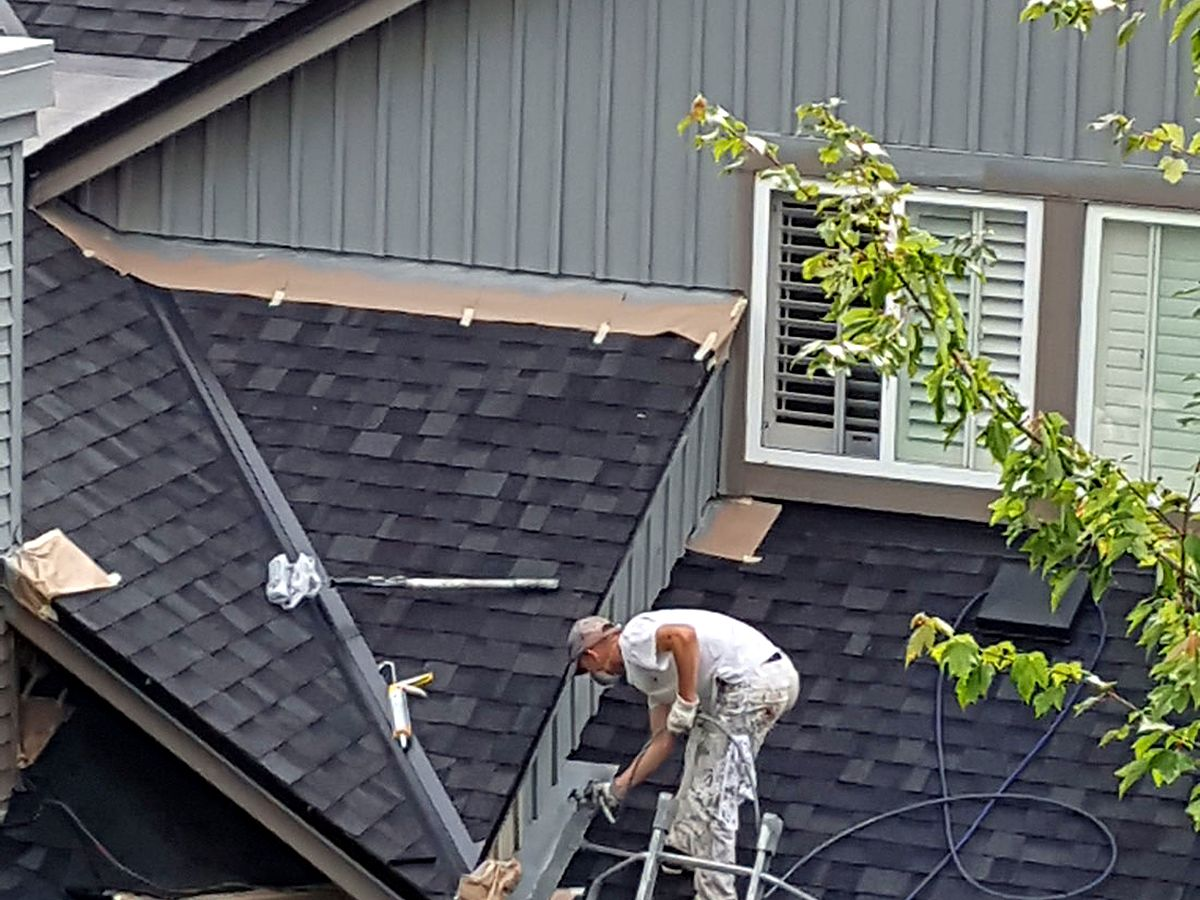
Exterior painting and most caulking need dry surfaces and temperatures above the product’s minimum, so on the coast they mostly wait for the dry season. See when you can paint outside in Metro Vancouver. Interiors are different: lobbies and corridors can be painted all winter. See what a strata can paint in winter.
Turn the list into next year’s scope
Keep each photo with a note of the building and the side it came from. When the council books a walk-through for next year’s work, that list lets the painter price what you actually found instead of guessing. It also feeds your depreciation report planning. A painting assessment covers the whole complex and puts it in writing.
This guide is general information for strata councils and property managers in British Columbia, not legal advice. Check your registered bylaws and the current Strata Property Act, or ask your property manager or a lawyer, before relying on it for a decision.