KEY TAKEAWAYS
- Never choose from a chip alone. Test large samples on the building.
- Look at samples on more than one side of the building, in sun and in cloud.
- Very dark colours fade faster and get hotter in the sun.
- Write the final colours down with product names, so future touch-ups match.
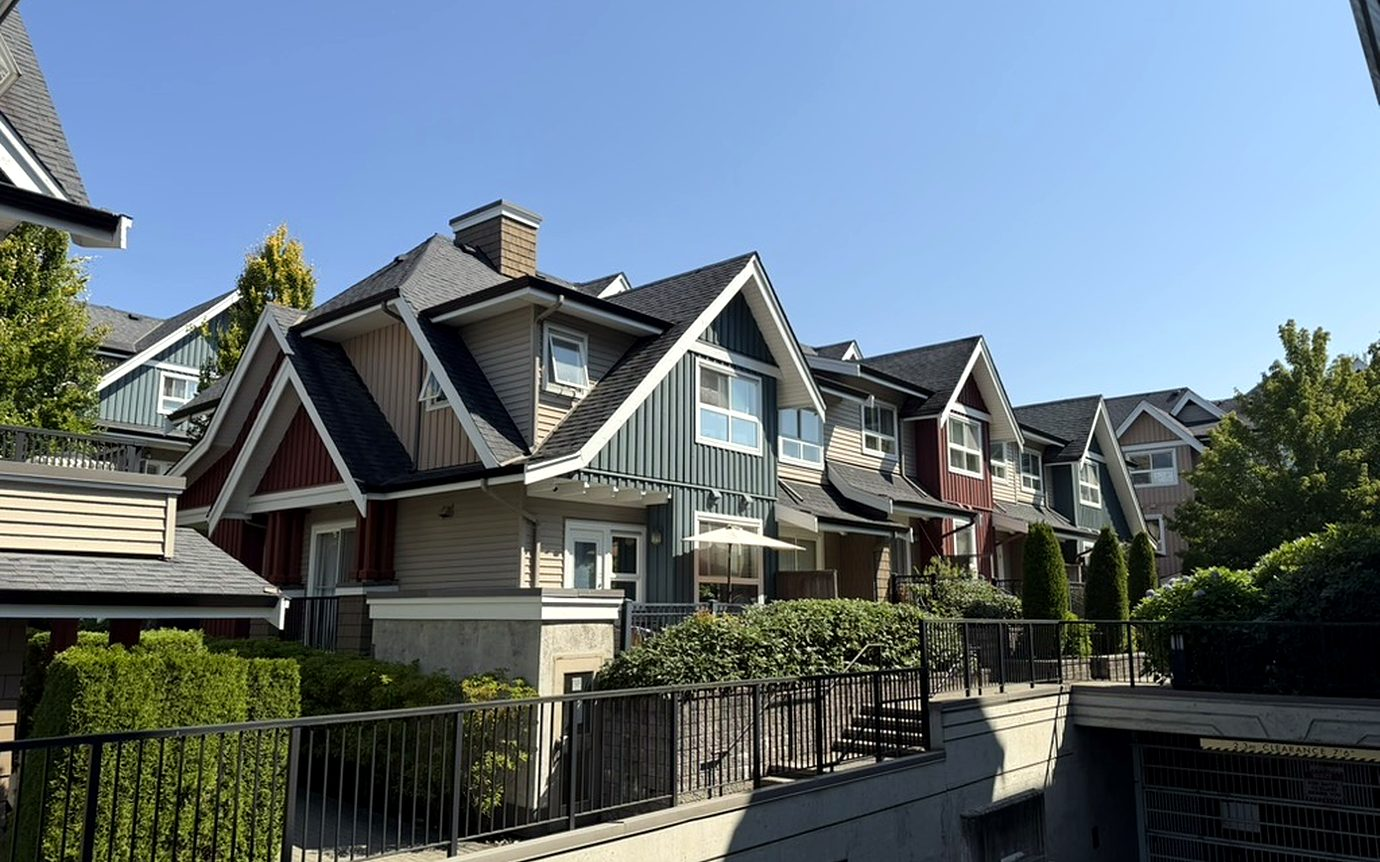
Colour is the part of a repaint owners notice first and argue about longest. It is also the part most often chosen from a small chip under indoor light, which is a poor guide to how a colour will look across a whole building under a grey West Coast sky.
Why colours change on the building
- Size. A colour across a whole wall usually reads lighter and stronger than it does on a chip.
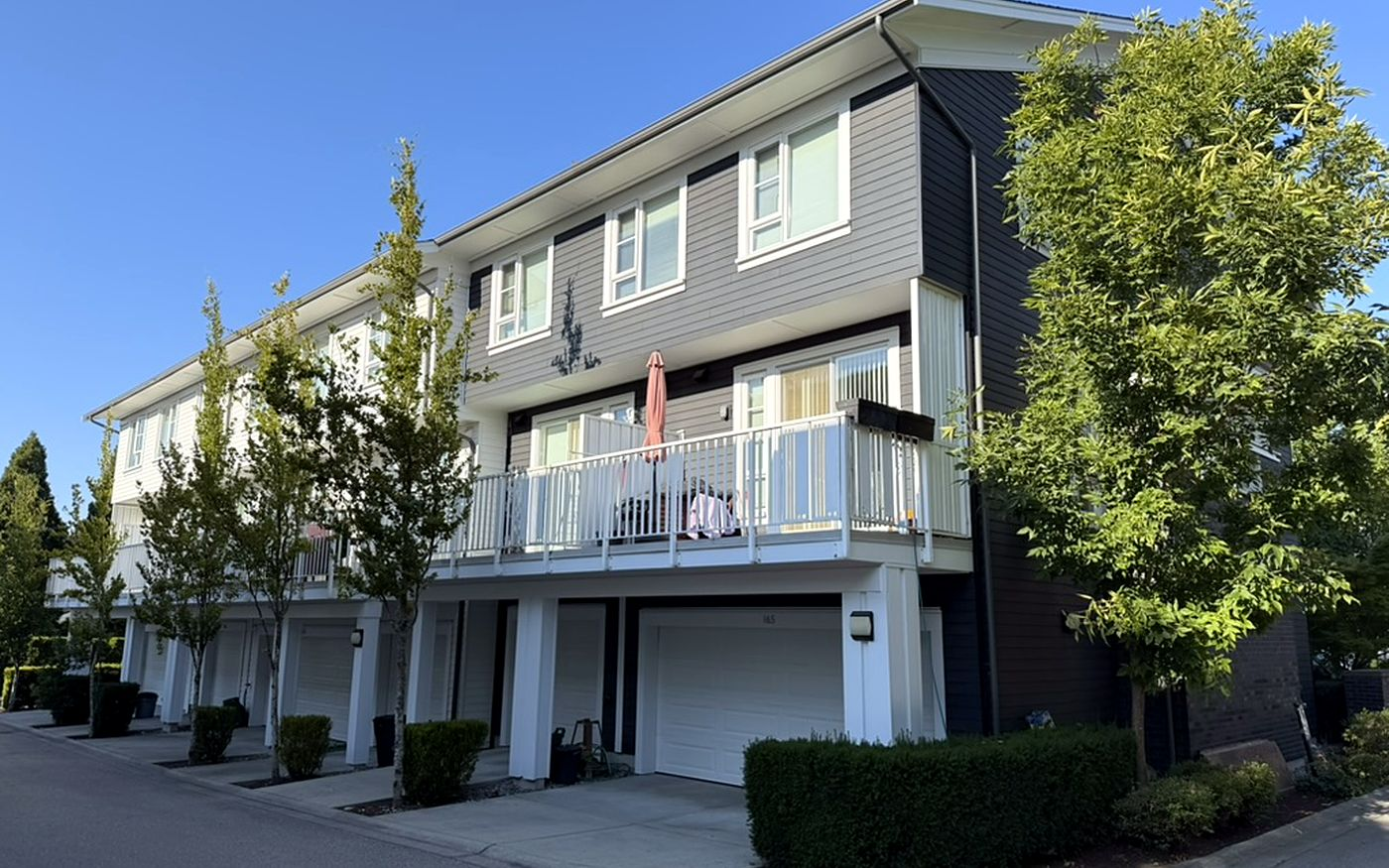
- Light. Overcast skies flatten colours and push greys and blues cooler. The same colour can look much warmer on a sunny south wall.
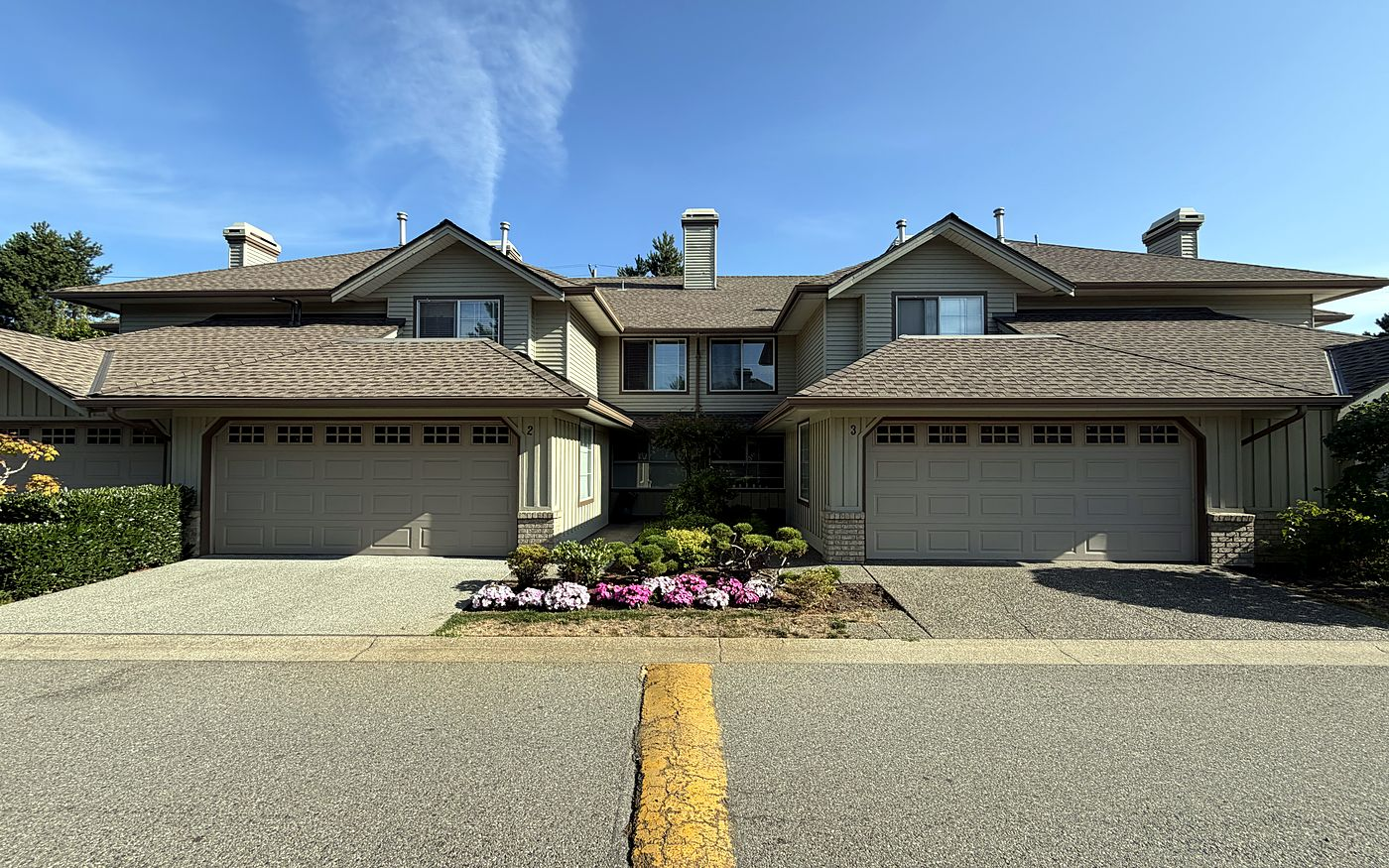
- Surroundings. Roofing, brick, stone and mature trees all change how a colour reads next to them.
- Sheen. Higher sheens reflect more light, so the same colour can look deeper, and they show surface flaws more. See sheen levels explained.
How to test properly
- Narrow the choice to two or three schemes.
- Paint large samples, or sample boards, on at least two sides of a building.
- Look at them in the morning, at midday and on a cloudy day.
- Look from the street and from the parking area, the way owners will see them.
- Judge the body, trim and door colours together, not one at a time.
Light, dark and LRV
Paint makers publish a light reflectance value, or LRV, for each colour, on a scale from 0 (black) to 100 (white). Darker colours with a low LRV absorb more heat. On a south or west wall that means faster fading and more movement in wood, and some vinyl products limit how dark they can be painted. Mid-tones are usually the safest choice for the body of a building.
For stratas: approval and records
A new colour scheme on a strata usually needs council approval, and a significant change in appearance can need a 3/4 vote of owners. See changing the colours of a strata complex. Once the colours are chosen, record the brand, colour name and code, sheen and product for every surface. That schedule is what makes touch-ups match years later. Our colour consultation includes samples on site and a written colour record.
This guide is general information for strata councils and property managers in British Columbia, not legal advice. Check your registered bylaws and the current Strata Property Act, or ask your property manager or a lawyer, before relying on it for a decision.